# Chainsaw Man: The Shocking Differences Between Manga and Anime You Never Expected!
##
1. Introduction to a World of Chainsaws and Devils
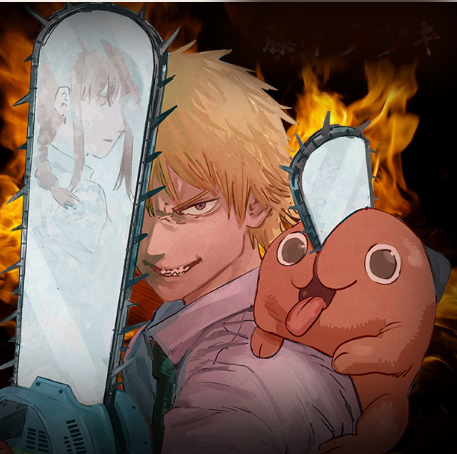
“Chainsaw Man” has ignited a vibrant spark in the world of anime and manga, captivating audiences with its thrilling fusion of horror, humor, and heartfelt moments. Created by the brilliant Tatsuki Fujimoto, the story zooms into the life of Denji, a young man whose ordinary existence spirals into chaos when he merges with his pet devil, Pochita, transforming into the formidable Chainsaw Man. This electrifying narrative draws in fans not only for its wild plot twists but also for the striking differences between its manga and anime adaptations that keep everyone buzzing with excitement and discussion.
As we begin our journey, it’s essential to recognize the raw, gritty aesthetic of the manga, which beautifully mirrors the chaotic world Denji inhabits. Fujimoto’s art bursts with jagged lines and intense scenes, allowing readers to feel the weight of Denji’s struggles as he battles devils while navigating the complexities of his dreams and desires. On the flip side, the anime adaptation crafted by MAPPA engages viewers with a polished and dynamic visual style. This captivating animation not only heightens the action but also enhances the emotional drama, offering a breathtaking experience that ignites passion among fans.
By diving into the depths of these adaptations, we’ll uncover how plot points, character arcs, and thematic elements shift to resonate with different audiences. Whether you’re an avid manga enthusiast or a newcomer to the series enchanted by the anime, there’s a treasure trove of content waiting for you! So, gear up and get ready to explore the exhilarating world of “Chainsaw Man”—it’s going to be a wild ride filled with surprises!
##
2. Character Development: From Page to Screen
One of the most fascinating aspects when comparing the “Chainsaw Man” manga and its anime adaptation is how character development unfolds in each medium. The manga offers a rich and detailed exploration of its characters’ backstories and motivations, allowing readers to forge deep connections with them. Take Denji, for example. In the manga, his evolution from a desperate young man driven by primal needs to someone wrestling with profound existential questions is beautifully illustrated. Readers get to experience every nuance of his transformation, making his journey all the more impactful.
In contrast, the anime adaptation presents a streamlined version of character development that accelerates the pacing. While it brilliantly captures Denji’s emotional rollercoaster, some viewers may find themselves longing for the poignant moments that provide depth to his character. The anime’s focus on action and visual storytelling can occasionally overshadow the internal struggles that make Denji such a relatable and compelling protagonist. This divergence sparks lively debates among fans: Is the emotional depth of the manga crucial for understanding Denji’s tumultuous journey?
Despite the contrasts, there’s a beauty in how each medium interprets character growth. The manga’s slower exploration allows for a reflective and intimate experience, while the anime’s brisk pace keeps viewers on the edge of their seats. Ultimately, each format shines in its own right, offering unique perspectives that cater to different tastes. Whether you prefer the rich details of the manga or the adrenaline-fueled excitement of the anime, Denji’s chaotic adventure has something for everyone!
##
3. Pacing and Storytelling: A Dance of Differences
When it comes to storytelling, the pacing of “Chainsaw Man” serves as another exciting area where the manga and anime diverge significantly. The manga excels at lingering on pivotal moments, crafting a sense of tension and anticipation that keeps readers captivated. This meticulous buildup culminates in climactic battles, allowing fans to truly appreciate the stakes involved while enriching the narrative with compelling subplots. This method of storytelling creates a reading experience that’s as thrilling as it is immersive.
On the flip side, the anime adaptation picks up the pace, providing a brisk, adrenaline-fueled journey through Denji’s world. This rapid-fire approach has its perks—keeping viewers thrilled with each twist and turn as the plot unfolds. However, some may argue that this accelerated pacing glosses over critical thematic elements that the manga delves into more deeply, leading to a potentially less nuanced understanding of characters’ motivations and conflicts. Nevertheless, the dynamic pacing of the anime makes it a captivating spectacle, highlighting the action-packed sequences that fans love.
Ultimately, the contrasting pacing styles reflect the distinct objectives of each medium. The manga seeks to immerse readers in a richly layered narrative, while the anime aims to dazzle audiences with a fast-paced, visually stunning experience. Whichever format you choose, one thing is certain: “Chainsaw Man” promises an exhilarating adventure filled with unforgettable moments!
##
4. Artistic Interpretation: Visions of Horror and Humor
Art and visual representation play a pivotal role in conveying the tone and themes of “Chainsaw Man.” The manga’s raw, sketch-like artistry amplifies the horror elements, crafting an unsettling atmosphere that perfectly complements the story’s darker themes. Fujimoto’s unique style—characterized by rough lines and exaggerated expressions—draws readers into the chaos alongside Denji, immersing them in a world teeming with grotesque devils and surreal imagery. This artistic approach invites fans to revel in both the horror and moments of humor scattered throughout the narrative.
Conversely, the anime adaptation takes a vibrant leap into visual storytelling. The crisp animation and bright color palette breathe new life into the characters and their world. While this artistic interpretation may soften some of the darker elements, it also infuses the series with dynamic energy that enhances the action. The talented animation team at MAPPA has skillfully crafted exhilarating scenes, allowing viewers to fully indulge in the excitement of Denji’s battles. This energetic execution creates a captivating viewing experience that exhilarates fans.
While both versions showcase their artistic strengths, the differences in visual representation can elicit varied emotional responses. The manga may resonate more deeply with those seeking a darker, more intimate ambiance, while the anime dazzles with its high-energy flair. Whichever version you find yourself drawn to, remember that both have their unique charm and brilliance—each offers a delightful journey that promises to entertain and inspire.
—
As you wrap up your exploration of “Chainsaw Man,” remember that every day is full of potential and excitement. Whether facing challenges or celebrating victories, embrace the adventure of life with open arms. Just like Denji, keep pushing forward, pursue your dreams, and don’t forget to find joy in the chaos! Keep your chainsaws revved and make the most of every moment!