
# Unveiling Chainsaw Man’s Most Terrifying Monster Designs (Beyond Demons)!
##
1. The Dark Allure of Chainsaw Man
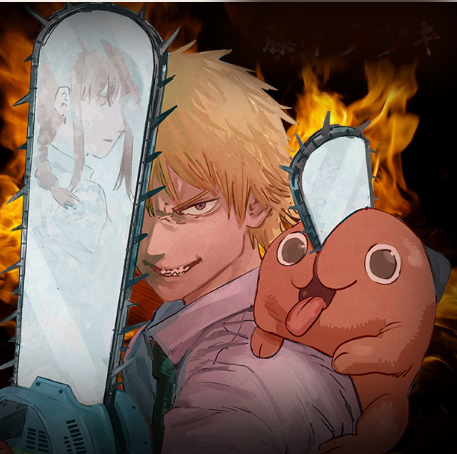
Chainsaw Man, crafted by the brilliant mind of Fujimoto Tatsuki, has captivated audiences worldwide with its compelling fusion of horror, comedy, and heartfelt moments. At the story’s core, we find Denji, a protagonist wielding chainsaws with abandon, but it’s the eerie and imaginative monster designs surrounding him that truly ignite our imagination. Beyond the flashy demons that often steal the limelight lies a darkly enchanting universe filled with creatures that are as terrifying as they are fascinating. This exploration promises to unveil the artistry of these spine-chilling designs, which leave a lasting impact on fans.
What stands out immediately about these monsters is their uncanny originality. Fujimoto’s creations defy the conventions of typical horror monsters, often avoiding clichés and instead presenting refreshing takes on fear. Each creature typically embodies an abstract concept or emotion, transforming our deepest nightmares into tangible forms. For instance, the “Killer Whale Devil” offers a haunting blend of aquatic horror and primal instincts, making us both shudder and ponder. In creating such unique designs, Fujimoto invites readers to reflect not just on fear itself but also on the myriad ways it manifests in our lives.
Furthermore, the relationship between these monsters and the world of Chainsaw Man adds remarkable depth to the narrative. They are not just mindless antagonists; instead, they reflect societal challenges and personal conflicts that resonate deeply with readers. This duality elevates them beyond mere monsters, turning them into poignant symbols that provoke thought and introspection. Through these chilling designs, we confront not only external horrors but also the darkness that dwells within us, enriching the reading experience in profound ways.
##
2. Creatures Inspired by Human Fears
One of the most captivating elements of Chainsaw Man’s monster designs is their deep-rooted inspiration in human fears. These creatures personify our innermost anxieties—whether it’s the looming specter of death, the isolation we sometimes feel, or the paralyzing fear of failure. A striking example is the “Poverty Devil,” a terrifying embodiment of economic instability that resonates with many who navigate a world obsessed with wealth and status. This clever intertwining of real-world fears with horror makes the narrative feel all the more relatable and urgent.
Visually, the designs are arresting and thoughtfully crafted. The Poverty Devil, with its ragged attire and hollow gaze, embodies a sense of despair that is both disturbing and powerful. This striking imagery compels readers to confront uncomfortable realities about society and their roles within it. Chainsaw Man masterfully blends horror with social commentary, crafting a narrative that challenges us to examine our own lives while experiencing the thrill of fear—a deliciously complex combination that sets this series apart.
Ultimately, these monsters serve as mirrors, reflecting the more troubling aspects of humanity. When faced with the Poverty Devil, we aren’t merely gazing at a creature of nightmares; we’re encountering a fragment of ourselves that we often prefer to ignore. This powerful symbolism invites readers to connect with the narrative on a deeply personal level, turning horror into an impactful means of introspection and growth. Chainsaw Man encourages us to face our fears rather than flee from them, embracing the journey with courage.
##
3. The Uncanny and the Absurd
Chainsaw Man brilliantly blurs the lines between horror and absurdity, showcasing monsters that are bizarre and often comical. This whimsical blend adds a unique flair to the story, inviting readers to explore fear from unexpected angles. Take, for example, the “Kawaii Devil,” a creature that juxtaposes cuteness with terror. Its oversized eyes and playful demeanor might initially lull readers into a state of comfort, only to reveal its sinister intentions when least expected. This clever twist of expectations keeps audiences on their toes, ensuring that each encounter is both thrilling and delightful.
The absurdity inherent in such designs invites a refreshing shift in how we experience fear. Instead of relying solely on jump scares or graphic violence, Chainsaw Man offers a unique take where the playful demeanor of the Kawaii Devil contrasts sharply with its darker undertones. This delightful dissonance is both funny and chilling, proving that fear is multifaceted and can manifest in surprising ways. It encourages readers to engage with horror more playfully, reminding us that laughter can coexist with fear, creating a richer emotional tapestry.
Moreover, these absurd monsters challenge our perceptions of what makes something truly terrifying. By incorporating humor into horror, Chainsaw Man empowers readers to confront their fears in a less daunting manner. This distinctive approach ends up being both entertaining and liberating, transforming anxiety into amusement. It’s a vibrant reminder that even in the darkest narratives, there’s always a glimmer of light to be found—an invitation to embrace life’s complexities with a smile.
##
4. Evolution of Monster Design
As the thrilling saga of Chainsaw Man unfolds, we witness an exciting evolution in the design of its monsters—an evolution that mirrors the characters’ growth. In the earlier arcs, monsters may appear as straightforward embodiments of evil, but as Denji and his companions encounter more intricate challenges, these designs become increasingly layered and nuanced. This evolution reflects Denji’s own transformation from a simple chainsaw-wielding anti-hero to a complex individual grappling with deep, existential questions about life, choices, and consequences.
A standout example of this evolution is the “Control Devil,” initially presenting as just another formidable foe. However, as the narrative deepens, we discover that its design and abilities resonate powerfully with themes of manipulation and power dynamics. The Control Devil isn’t merely a monster; it symbolizes the darker sides of human nature, including the desire to exert control over others. This sophisticated design pushes readers to critically contemplate the moral complexities of power, blurring the lines between hero and villain in a way that enriches the storyline.
This dynamic growth not only dazzles visually but also enhances the narrative’s emotional impact. As monsters evolve, so too do the stakes and the weight of the story. This development invites readers to invest themselves deeply in the characters’ journeys, making the terror they face all the more palpable and engaging. The evolution of monster design in Chainsaw Man stands as a testament to Fujimoto’s storytelling prowess, reminding us that every monster contributes to a larger, intricate narrative tapestry, enriching our experience as we turn each page.
##
5. The Legacy of Chainsaw Man’s Monsters
As we delve deeper into the world of Chainsaw Man, the legacy of its monsters emerges as a powerful testament to the series’ creativity and emotional resonance. Each creature is imbued with unique qualities and stories that extend far beyond their terrifying appearances. The monsters in this universe serve not only to inspire fear but also to provoke self-reflection and growth in the characters they encounter. This multifaceted legacy encourages readers to embrace their own fears and confront them head-on, making the narrative a transformative experience.
Moreover, the lasting impact of these designs resonates beyond the pages of the manga. The blend of horror with profound thematic elements allows readers to connect with the monsters on a personal level, creating a space where fear becomes a vehicle for understanding ourselves and the complexities of our emotions. Chainsaw Man has cultivated a legacy that celebrates the artistic expression of fear, inspiring a generation of readers and creators alike to explore and embrace the darker facets of life without shying away from the light.
In conclusion, Chainsaw Man’s monstrous creations are not merely figments of terror; they are profound reflections of our reality, the human experience, and the myriad fears we navigate daily. So, as you continue your journey, remember that it’s okay to confront your fears and uncertainties—embrace them as part of your growth. Life is a thrilling adventure, filled with its share of monsters and moments of absurdity. Approach each day with courage and a sense of humor, and you’ll find that even the darkest paths can lead to enlightening destinations. Keep shining your light!