
# How Urban Legends Shaped the Devilish Design in Chainsaw Man!
##
Introduction to Chainsaw Man and Urban Legends
“Chainsaw Man” is not just your average manga—it’s a thrilling rollercoaster that has captivated audiences worldwide! Created by the brilliant Tatsuki Fujimoto, this series expertly weaves together urban legends, folklore, and creativity to bring forth a world that is as enchanting as it is horrifying. The characters and their devilish designs aren’t mere figments of imagination; they represent profound societal fears and cultural narratives that resonate deeply with readers. What makes these urban legends so compelling, and how do they contribute to the chaotic yet captivating universe of “Chainsaw Man”? Let’s dive into this rich tapestry and explore the significance of these eerie tales!
Urban legends have an uncanny power to spark our imaginations, turning ordinary stories into exhilarating narratives that blend horror and intrigue. They capture our deepest fears and curiosities while tapping into the collective psyche of society. Fujimoto masterfully harnesses this essence, breathing life into his devils, each more bizarre than the last, representing everything from societal anxieties to personal demons. As we journey through the pages of “Chainsaw Man,” it becomes clear that these urban myths are not just background noise; they are integral to understanding the characters and their wild adventures!
In essence, urban legends serve as reflections of our collective consciousness, and “Chainsaw Man” beautifully encapsulates this idea. The series invites readers to face their fears head-on while simultaneously providing an exhilarating escape into a world where the strange becomes the norm and the grotesque feels surprisingly relatable. So, let’s unravel the intriguing connection between urban legends and the devilish designs that elevate “Chainsaw Man” into a class of its own!
##
The Influence of Fear in Character Design
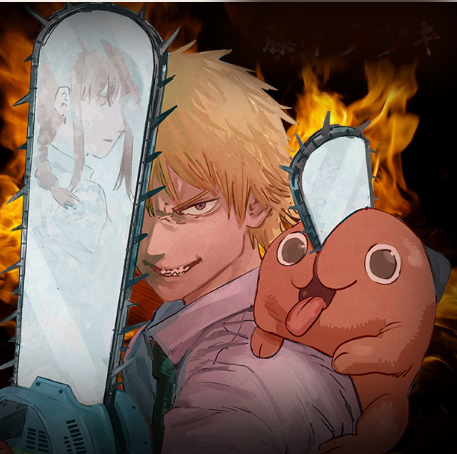
One of the most fascinating elements of “Chainsaw Man” is its devilish characters, each a playful yet poignant representation of our collective fears. Take the Chainsaw Devil, for instance—this character embodies the anxiety of identity loss and the chaotic nature of existence. Such fears are often mirrored in urban legends, where stories of mysterious transformations and disappearances leave us questioning the very essence of who we are. Fujimoto brilliantly marries these themes within his character designs, allowing us to empathize with our worst nightmares while also cheering for the devils we’ve come to know and love.
Moreover, the grotesque aesthetics of characters like the Blood Devil and the Gun Devil hold a mirror to stark societal issues—violence, trauma, and more. These urban legends are not just chilling tales; they resonate with the real horrors that many people encounter in their daily lives. By manifesting these fears into dynamic, devilish forms, Fujimoto does more than entertain; he challenges us to confront our own vulnerabilities. The more radical the design, the more relatable the underlying fear becomes, resulting in a powerful interplay that strikes a chord with fans everywhere.
Exploring these character designs reveals that each devil serves as a metaphor for the real struggles we navigate daily. The grotesqueness urges us to face our fears rather than shy away. Through this lens, urban legends become not only sources of inspiration but also crucial tools for understanding our own psychological landscapes within “Chainsaw Man,” elevating the reading experience to new heights!
##
Urban Legends as Cultural Mirrors
Urban legends operate as cultural mirrors, reflecting the fears and values of the societies from which they arise. In “Chainsaw Man,” Fujimoto expertly draws upon these legends, crafting narratives that resonate with both Japanese culture and broader human themes. The devils personify fears that may be deeply rooted in specific cultures yet find a universal echo that connects us all, making it a bridge across diverse anxieties.
For instance, the “Strawman” devil encapsulates the societal pressure to conform—a theme that many readers can relate to, irrespective of cultural background. This character resonates with those who have faced the daunting specter of judgment and exclusion. By utilizing urban legends as a narrative foundation, Fujimoto allows readers to navigate their cultural fears safely and engagingly. These tales reflect the uncomfortable truths we grapple with daily, from bullying and loneliness to the overwhelming dread of existence.
Furthermore, the incorporation of urban legends allows “Chainsaw Man” to transcend traditional storytelling. It evolves into a thought-provoking commentary on human behavior and societal norms, cleverly wrapped in horror and humor. Rather than mere antagonists, these devils become manifestations of our collective fears, challenging us to confront the uncomfortable realities of life while still finding joy and excitement in the narrative.
##
The Power of Mythology in Storytelling
At the heart of every urban legend lies a deep-rooted myth, a story that has been passed down through generations and transformed over time. “Chainsaw Man” emerges as a modern myth, wrapping morality, horror, and humor into a thrilling narrative. Fujimoto taps into these mythological elements, crafting a story that is both entertaining and rich with layers of meaning, encouraging readers to ponder deeper themes beyond the action.
Characters like Power, the Blood Devil, are reminiscent of mythological figures navigating their flaws while seeking redemption. These archetypal journeys resonate with readers, providing a familiar framework that enhances our overall experience. In doing so, “Chainsaw Man” goes beyond conventional manga tropes, allowing us to partake in a profound exploration of human nature and morality through its devilish lens.
The fusion of urban legends and mythology creates a multi-dimensional narrative that captivates readers’ hearts and minds. As we dive into the exhilarating action and moments of humor, we’re also prompted to reflect on our own values, fears, and beliefs. This intricate approach ensures that “Chainsaw Man” remains relevant and impactful in a rapidly evolving world, reminding us of the complexity of our human experience!
##
Conclusion: Embracing the Devil Within
In conclusion, “Chainsaw Man” encourages us to embrace our fears and confront the shadowy parts of ourselves. By weaving urban legends into its narrative fabric, the series transforms horror into a powerful tool for understanding and personal growth. Each devil serves as a poignant reminder of our struggles, prompting us to face them head-on rather than shy away. So let’s celebrate the beauty in our imperfections and the strength found in vulnerability!
As you continue your journey through life, remember that facing your fears can lead to empowerment and growth. Embrace your unique journey, laugh in the face of darkness, and let the devil within guide you toward a brighter, more hopeful future. You’ve got this!