
# The Devilman Legacy: How This Classic Shaped Chainsaw Man’s Dark World
##
The Birth of a Legend
In the late 1970s, a young manga artist named Go Nagai unleashed a groundbreaking series on the world: Devilman. This iconic work didn’t merely tell a tale of good versus evil; it dove deep into the human psyche, exploring our darker sides while simultaneously reflecting our capacity for love and vulnerability. Readers were thrust into a tumultuous world where demons and humans cohabited, continually clashing and mirroring the conflicts inherent in the human condition. As the story unfolded, it became clear that the true battles weren’t just against external foes, but against the internal demons we all wrestle with.
Nagai’s innovative art style was revolutionary for its time, bursting with raw emotions and dynamic action that captivated audiences. The chaotic panels mirrored the characters’ internal struggles, making every confrontation a visceral experience for the readers. This groundbreaking visual storytelling elevated the horror genre in manga, proving that art could be both haunting and profoundly humane. The raw emotions on display didn’t just entertain—they resonated deeply, leaving an unforgettable impact on the manga landscape and opening doors for other creators.
The legacy of Devilman didn’t end with its initial publication; it became a cultural phenomenon that shaped countless creators and works that followed. Grasping its influence is crucial to understanding how it laid the groundwork for later series, such as Chainsaw Man. The latter emerged decades later, pushing the boundaries of storytelling in supernatural horror and action, all while echoing the rich thematic undercurrents established by Nagai. The world of manga is forever changed, and it all began with Devilman’s audacious spirit.
##
The Threads of Influence
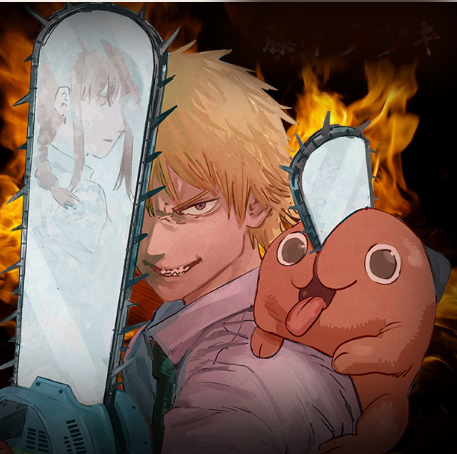
Chainsaw Man, crafted by the talented Tatsuki Fujimoto, stands as a vibrant testament to the profound influence of Devilman. Both series plunge into the chaotic nature of existence, yet Chainsaw Man brilliantly intertwines contemporary issues with its narrative, using dark humor to illuminate profound themes of loss and redemption. The character Denji, much like Ryo Asuka and Akira Fudo from Devilman, navigates a tumultuous journey of self-discovery, caught between humanity’s desires and demonic influences. This intricate duality resonates deeply, offering readers a mirror to their own struggles in a fast-paced world that often feels relentless.
The dynamic relationships between humans and devils in Chainsaw Man echo the intricate dynamics present in Devilman. Both narratives challenge the black-and-white definitions of good and evil, inviting us to consider the nuanced shades of gray within each character. This emotional depth allows readers to connect with flawed protagonists, encouraging them to confront their fears and insecurities. The story becomes a shared journey of growth, where readers don’t just witness characters evolve—they become emotionally invested in their victories and defeats, cheering for them every step of the way.
Moreover, the visual style of Chainsaw Man pays homage to the intense emotional expressions and dynamic action sequences that defined Devilman. The art in both series serves not only as a storytelling medium but as a conduit for the reader’s emotions—making them feel the weight of each choice and battle. This connection runs deeper than aesthetic; it’s a thematic resonance, challenging audiences to confront the darkness in life while wielding humor and resilience as their shields.
##
The Dance of Horror and Humor
A standout aspect of both Devilman and Chainsaw Man is their remarkable ability to interweave horror with humor seamlessly. Nagai’s narrative often juxtaposed grotesque visuals with lighter, poignant moments, creating a reading experience filled with surprises. Fujimoto, too, masterfully melds comedic elements into the darkest scenarios, allowing audiences to find laughter amid despair. This refreshing balance resonates deeply with our human experience, where joy and sadness frequently coexist, reminding us that we can find light even in our darkest days.
In both series, absurdity acts as a coping mechanism for the characters. Denji’s lighthearted demeanor, even in the face of danger, echoes the resilience seen in the relationship between Akira and Miki in Devilman. This blend of humor and horror not only provides moments of levity but also underscores the indomitable spirit of humanity during adversity. It’s a beautiful reminder that, even in our darkest times, we can find moments of connection and joy that spark hope.
This interplay between horror and humor encourages readers to embrace their own complexities, showcasing that life, while sometimes terrifying, is also rich with moments of joy. Both series inspire us to face our unique challenges with courage and a smile, reminding us that our struggles do not define us; instead, they shape our journey into something extraordinarily profound.
##
Redefining Heroism
Devilman and Chainsaw Man redefine what it truly means to be a hero in captivating ways. No longer are we presented with flawless protagonists; instead, we encounter characters filled with imperfections and moral uncertainty. Akira Fudo’s evolution forces him to confront his inner demons, while Denji’s motivations frequently stem from basic human desires rather than traditional heroic quests. This refreshing perspective allows readers to connect more deeply with the characters, seeing their own flaws and struggles reflected in their journeys.
This redefinition sparks a wider conversation about sacrifice, redemption, and the essence of fighting for oneself and others. Both series prompt readers to recognize that heroism can take many forms—sometimes as simple as a small act of kindness or the courage to confront one’s fears. This nuanced portrayal fosters empathy and understanding, qualities desperately needed in an often-divided world. By showcasing the beauty and complexity of imperfect heroism, these narratives inspire us to seek out bravery in our daily lives.
Ultimately, the portrayal of flawed heroes serves as a compelling reminder that we possess the capacity for change and growth. Embracing our imperfections and learning from our mistakes paves the way for becoming better versions of ourselves. As we traverse the dark realms created by Nagai and Fujimoto, we find not just entertainment but inspiration to strive for our unique brand of heroism, however it manifests.
##
The Enduring Impact of the Devilman Legacy
The legacy of Devilman is not merely a chapter in manga history; it is a vibrant tapestry woven into the very fabric of storytelling. Its exploration of dark themes, emotional depth, and the human condition has left an indelible mark on creators and fans alike. The way it navigated the complexities of good and evil, love and hatred, continues to influence modern narratives, providing a roadmap for storytellers who dare to delve into the shadows while shining a light on the beauty of resilience and humanity.
As we reflect on how Devilman’s legacy endures through works like Chainsaw Man, we realize its impact stretches beyond mere storytelling. It serves as a reminder that our struggles, our imperfections, and our capacity for joy are all part of the human experience. This legacy encourages us to confront our fears, embrace our complexities, and find strength in vulnerability. In a world that can often feel overwhelming, the lessons embedded in these stories empower us to face life’s challenges with courage and hope.
In conclusion, let us carry the spirit of Devilman and Chainsaw Man into our lives. Embrace your own story, imperfections and all, and remember that it’s the journey that truly matters. Stand tall amidst the chaos, find laughter in the shadows, and never forget that you possess the strength to write your own brave narrative. Together, let’s step forward into a future filled with hope, resilience, and the promise of brighter days ahead!